

California Vehicle Code
California eBike Laws & Vehicle Codes
Each card is a VoltVerified plain-language summary of a statutory rule—not a quotation or legal advice. Open any card to read the official California Legislature text.
Riding under the influence
It is unlawful to ride a bicycle or eBike on a highway while under the influence of alcohol, drugs, or both.
View California Code CVC21204RidingPassengers & seating
Passengers may ride only on a separate seat attached to the bicycle. Additional restraints apply for small children.
View California Code CVC21212(a)EquipmentCVC 21212 — Helmet Requirements for Riders Under 18
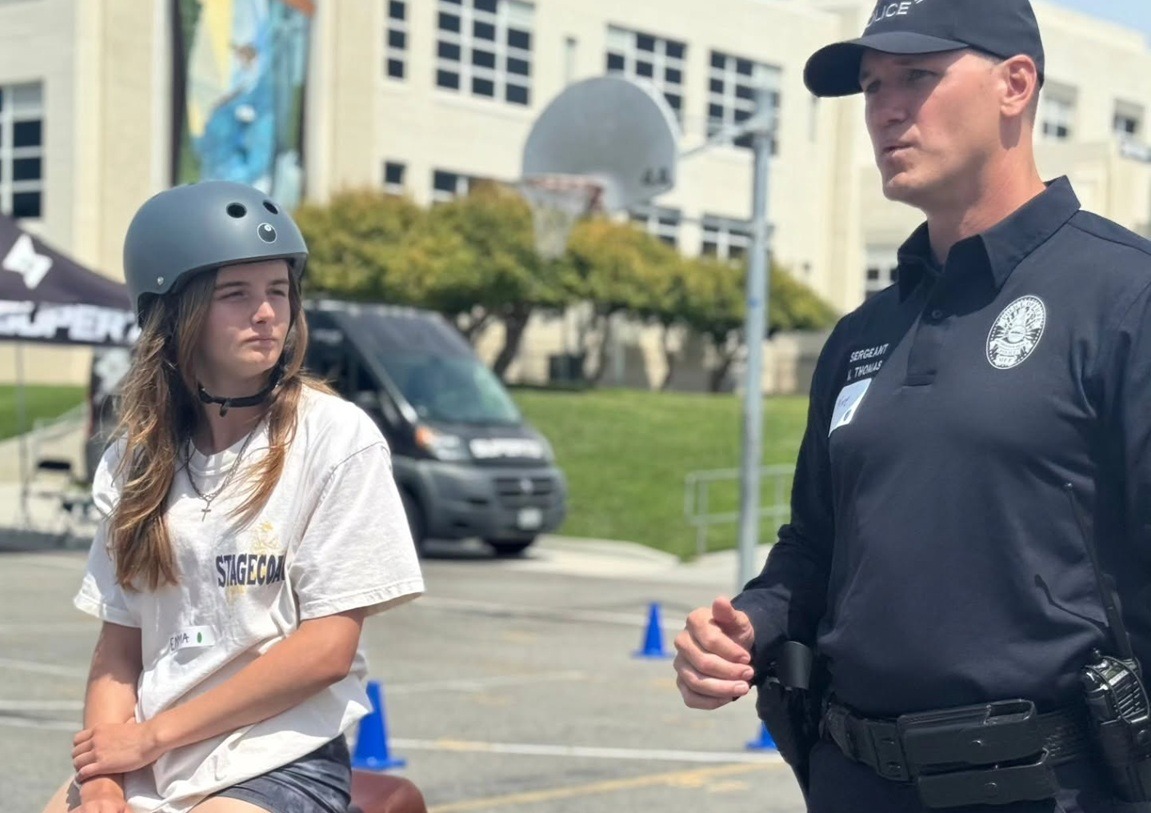
Riders and passengers under 18 must wear a properly fitted and fastened bicycle helmet that meets an approved safety standard.
View California Code CVC21213Equipment · Class 3CVC 21213 — Class 3 Helmet Requirements
A rider under 16 may not operate a Class 3 eBike. On a public street, bikeway, or other public bicycle path or trail, Class 3 operators and passengers must wear a bicycle helmet.
View California Code CVC21201(d)EquipmentCVC 21201 — Bicycle Equipment Requirements
During all hours, an eBike must have a compliant rear red reflector or qualifying rear red light. During darkness, CVC 21201 also requires a white front light and specified side and pedal or ankle visibility equipment.
View California Code CVC27400EquipmentKeep one ear open
A rider may not wear a headset, earplugs, or earphones covering or inserted in both ears, subject to limited statutory exceptions.
View California Code CVC21453SignalsRed lights
Riders must obey traffic signals and stop for a steady red signal before proceeding as permitted by law.
View California Code CVC22108SignalsTurn signals — 100 feet
When a turn signal is required, signal continuously during the last 100 feet traveled before turning.
View California Code CVC22450(a)SignsStop signs
Come to a complete stop at the limit line, before the crosswalk, or before entering the intersection when no line or crosswalk exists.
View California Code CVC21950Right of wayYield to pedestrians
Yield the right-of-way to pedestrians crossing within marked crosswalks or unmarked crosswalks at intersections.
View California Code CVC21650.1PositionCVC 21650.1 — Where eBikes and Bicycles May Ride
On a roadway or highway shoulder, a bicycle or eBike must travel in the same direction as vehicle traffic. This section addresses direction of travel, not every question of sidewalk, trail, or local access.
View California Code CVC21208PositionUse the bike lane
When riding slower than normal traffic, use an established bike lane unless passing, turning left, avoiding a hazard, or approaching a permitted right turn.
View California Code CVC21203RidingNo ride hitching
Do not attach yourself or your bicycle or eBike to a streetcar or vehicle on the roadway.
View California CodeDifferent classification · Different laws
eBike vs. eMoto: Understanding the Difference
CVC 312.5 defines an electric bicycle as a bicycle with fully operable pedals and an electric motor of 750 watts or less that fits Class 1, 2, or 3. Devices outside that definition may be regulated as another vehicle type depending on their design and operation.
California eBike Classes Explained
Under CVC 312.5, a legal eBike has fully operable pedals, a motor of no more than 750 watts, and assistance limited by class. A device modified or designed to exceed those limits is not an electric bicycle under this definition; its legal classification depends on its actual characteristics and operation.
California eBike Speed and Motor Limits
Class 1Pedal-assist only, no throttle, assistance ends at 20 mph. Class 2Throttle-actuated, assistance ends at 20 mph. Class 3Pedal-assist only, no throttle, assistance ends at 28 mph. View California Code CVC23152(a)eMoto · VehicleDriving under the influence
It is unlawful for a person under the influence of alcohol to drive a vehicle. This may apply when the device is legally treated as a motor vehicle rather than an eBike.
View California Code CVC23103eMoto · VehicleReckless driving
Driving a vehicle on a highway with willful or wanton disregard for the safety of persons or property is reckless driving.
View California CodeQuick answers
Frequently Asked California eBike Law Questions
These answers separate the statutory rule from VoltVerified’s plain-language explanation. Follow the cited links for the current official text.
What are California’s Class 1, Class 2, and Class 3 eBikes?
Statutory rule: CVC 312.5 defines the three classes and limits an eBike motor to 750 watts or less. VoltVerified explanation: Class 1 is pedal-assist to 20 mph, Class 2 can use a throttle to 20 mph, and Class 3 is pedal-assist to 28 mph. Compare the California eBike classes.
Who must wear an eBike helmet in California?
Statutory rule: CVC 21212 requires riders and passengers under 18 to wear a compliant bicycle helmet. CVC 21213 adds a helmet requirement for every Class 3 operator and passenger on specified public facilities.
Can a rider under 16 operate a Class 3 eBike?
Statutory rule: CVC 21213 prohibits a person under 16 from operating a Class 3 electric bicycle. VoltVerified explanation: This is an operator-age rule for Class 3; it is separate from the under-18 helmet rule that applies more broadly.
Which direction must an eBike travel?
Statutory rule: CVC 21650.1 requires a bicycle on a roadway or highway shoulder to travel in the same direction as nearby vehicle traffic. VoltVerified explanation: It does not by itself resolve every sidewalk, trail, or local access question. Read the focused CVC 21650.1 explanation.
What lights and reflectors does a California eBike need?
Statutory rule: CVC 21201 requires a compliant rear red reflector or qualifying rear red light on an eBike during all hours. Other specified lighting and visibility equipment is required during darkness.
When is an electric two-wheeler an eMoto instead of an eBike?
Statutory rule: The device must satisfy CVC 312.5 to qualify as an electric bicycle. VoltVerified explanation: Power, speed capability, pedals, modifications, and actual operation all matter; a marketing label does not determine the legal classification.